
Where Family Kitchens Become Bridges Between Generations

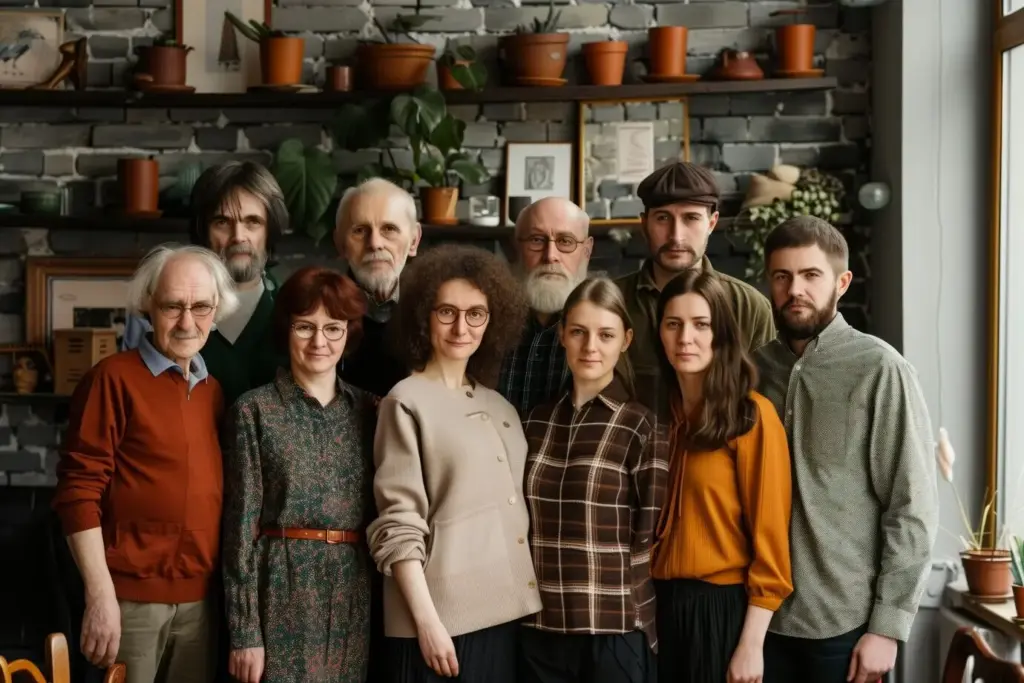
Tonight we explore intergenerational cooking nights as modern bonding ceremonies, celebrating how recipes, stories, and small rituals transform ordinary meals into connective experiences. Watch toddlers stir, teens experiment, adults coordinate, and elders ground everything with memory. Expect practical ideas, heartfelt science-backed benefits, and invitations to build your own sustaining practice, one simmering pot and shared laugh at a time.

A Pinch Remembered, A Story Retold

My neighbor Maria never writes garlic in teaspoons. She says, “until the pan smiles,” then tells how her father cooked by scent during long shifts. That playful precision invites questions, pride, and patience. Repeat such moments and a household learns to measure by trust, laugh at imperfections, and pass courage alongside flavor, allowing young cooks to inherit confidence, not just instructions.

When Timers Meet Timelines

Teens bring phone timers, video snippets, and clever hacks; elders bring timelines of holidays, migrations, and economies etched in casseroles. Together, devices keep dishes on track while stories keep values in view. The fusion turns a simple marinade into a map of where the family has been and where it hopes to go, offering purpose beyond plates, and resilience beyond trends.

Ritual Ingredients That Matter

Rituals do not need incense or Latin; they need repetition with meaning. Light the same candle before chopping. Play one song while dough rests. Invite the youngest to announce what everyone contributed. These tiny anchors shape memory, reduce stress, and create an easy on-ramp for shy participants. When life gets chaotic, predictable signals help everyone arrive fully, ready to share work and delight.

From Hearth to Hashtag: Why Shared Meals Still Unite Us

Across centuries, people gathered around heat, light, and food to exchange wisdom, settle nerves, and mark transitions. Even today, studies link shared meals with stronger communication and emotional health, especially for kids and teens. When generations cook together, the kitchen becomes a living classroom, a stage for identity, and a safe place to practice listening. Let’s reclaim that nightly glow, deliberately and joyfully.

Designing Evenings Everyone Loves

Great gatherings begin with intention. Choose a length that respects attention spans, a menu with roles for every skill level, and a vibe that welcomes late arrivals. Make space for improvisation and quiet corners, because some relatives bond best while washing herbs in the sink. Keep clean-up light, praise loud, and expectations reasonable. The goal is repeatable joy, not performance perfection.

Menus That Cross Decades

Build a plate that layers heritage and curiosity. Pair grandmother’s stew with a bright salad teens found online. Offer a gluten-free flatbread beside familiar rice. Include one new technique and one low-effort favorite. Post the plan on the fridge so helpers jump in. When everyone tastes recognition and surprise, conversations flourish, and the menu becomes a welcoming handshake between past comfort and present play.
Roles That Respect Everyone

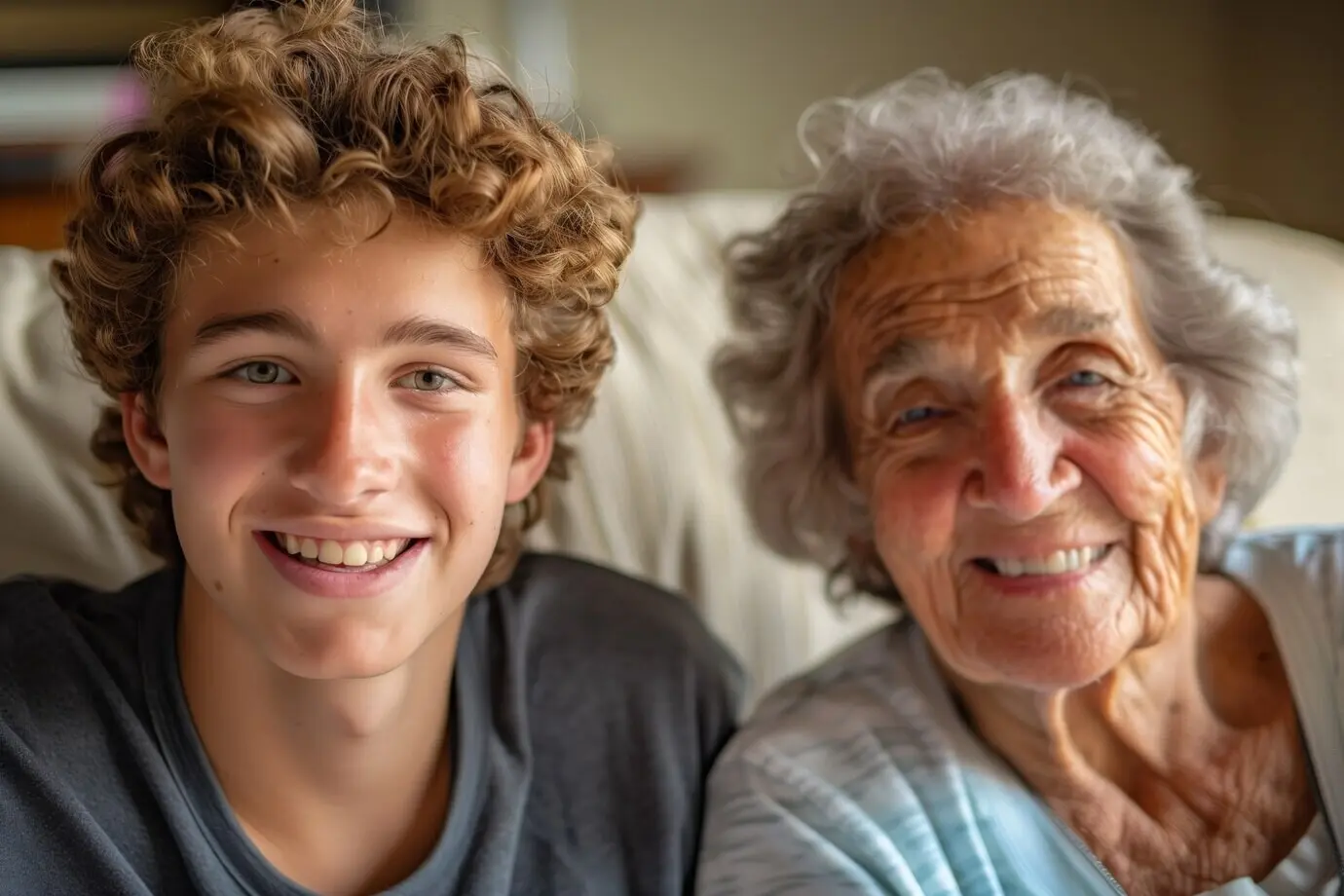
Assign roles by personality, not age alone. Quiet kids can manage the herb garden or timer. Grandparents might narrate history while someone else handles heavy lifting. Rotate leads so each person experiences directing and supporting. Post a simple checklist and celebrate swaps. Respecting diverse abilities creates shared dignity, reduces friction, and turns tasks into invitations, ensuring no one feels sidelined, overwhelmed, or tokenized during the evening.

Safety, Pace, Comfort

Heat, knives, and excitement can collide. Set knife zones, explain safe grips, keep pot handles turned inward, and offer nonalcoholic pairings generously. Build breaks into the schedule, and normalize stepping out for air or texting a friend. Comfort foods and comfortable pacing help different bodies and brains engage fully. Safety rehearsed kindly becomes confidence, and confidence ignites curiosity, creativity, and deeper intergenerational trust.
Trading Secrets Across the Cutting Board

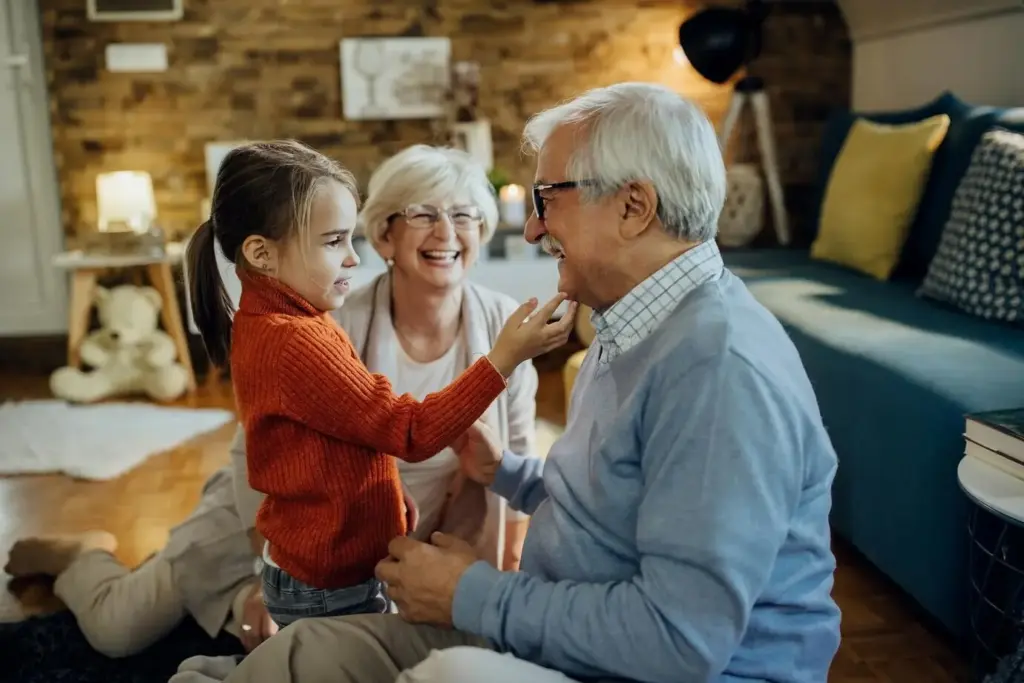
A beautiful swap happens when experience meets experimentation. Elders offer texture instincts, aroma cues, and heat savvy. Younger cooks bring data, plating flair, and cross-cultural fusions. When every voice is valued, a kitchen becomes a lab where taste buds judge fairly and anecdotes carry evidence. Shared authorship makes recipes durable, adaptable, and beloved, ensuring they survive trends and travel gracefully through family timelines.

What the Heart Gains Around the Stove

Shared cooking lowers isolation, offers predictable connection, and creates anchors during turbulent weeks. Psychologists note that repeated, meaningful rituals can buffer stress and strengthen identity, especially for children. Laughter releases tension; mindful chopping slows racing thoughts. When elders feel needed and youth feel competent, family esteem grows. The payoff is visible in calmer bedtimes, braver palates, kinder tones, and stories saved from silence.

Belonging You Can Taste

Take a bite of a familiar soup and watch shoulders drop. That sensation is belonging rehearsed. Ask each person to name one contribution before serving. Include the quietest voice deliberately. Over time, participation becomes identity, and identity steadies courage at school, work, and caregiving. Belonging is not an accident; it is plated on purpose, with consent, patience, and generous seconds for anyone still uncertain.

Grief, Gratitude, and the Potluck of Memory

Cooking nights tenderly hold grief. Stirring the sauce someone loved invites stories and tears without grand speeches. Place an empty plate to honor absence, then fill it symbolically by sharing favorite lines they said. Gratitude follows naturally as aromas recall safety. In this soft container, families metabolize loss together, transforming ache into ritualized love that keeps relationships active instead of frozen in time.

One Table, Many Needs

Inclusion is the secret spice. Allergies, sensory sensitivities, religious practices, and budgets deserve thoughtful attention. Aim for options, not separate meals, and clear labels everyone can read. Provide quiet kitchen tasks and seating choices. Invite input beforehand so surprises feel supportive, not spotlighted. When adaptations are normal and celebrated, participation expands, dignity grows, and the night becomes a home for every appetite and ability.

Allergies Without Apologies

Create a simple allergen board, color-code tools, and assign a cross-contamination captain. Teach kids to read labels like detectives, then reward the effort with a signature safe dessert. Make substitutes part of the fun, not an afterthought. When safety procedures feel communal, nobody carries the burden alone, and the message is clear: your presence matters more than any single ingredient or traditional garnish.

Cultural Exchange Night

Pick a country or region and ask each generation to bring a dish or story from that cuisine. Share a quick map, a song, and a proverb. Talk about migration, trade routes, and how flavors travel. Celebrate respectful curiosity and credit sources. The kitchen becomes geography class, empathy gym, and celebration hall, stretching palates while deepening understanding that home can taste beautifully plural.

Keeping the Flame Alive After Tonight

Sustainability is habit, not hype. Schedule next month’s date before dessert. Rotate hosts, themes, or musical playlists while preserving core rituals that make everyone feel oriented. Capture recipes as living documents, open to edits and voice notes. Invite neighbors occasionally, build a shared pantry shelf, and celebrate small milestones. Consistency builds anticipation, and anticipation pulls people back to the stove with hopeful hearts.

The Living Family Cookbook

Start a digital-and-paper hybrid that tracks ingredients, stories, and photos. Add voice recordings of elders explaining sensory cues, plus annotations from younger cooks testing vegan swaps. Keep margins for memories and troubleshooting. Revisit pages together, rating attempts with stickers. This evolving book becomes both archive and conversation starter, ensuring that flavors mature alongside relationships and that knowledge stays accessible even when schedules scatter.

Rotating Hosts, Rotating Wisdom

Move the gathering between households or community spaces, letting different kitchens teach different lessons. One home has a tiny stove but a great balcony; another has a big pot and a stubborn oven. Rotate leads for shopping, music, or grace. This spreads labor, multiplies pride, surfaces new recipes, and keeps curiosity alive, preventing the tradition from collapsing under any single person’s energy or availability.

Join the Wider Kitchen

Share your experiments with neighbors, local libraries, or online communities focused on family meals and food heritage. Post wins and flops transparently, tag collaborators, and invite feedback. Ask readers here to drop their favorite cross-generational dish or ritual in the comments, then subscribe for monthly prompts. Collective momentum transforms individual practice into a movement, keeping your stove warm even between scheduled gatherings.

Loravestonia
Privacy Overview

This website uses cookies so that we can provide you with the best user experience possible. Cookie information is stored in your browser and performs functions such as recognising you when you return to our website and helping our team to understand which sections of the website you find most interesting and useful.