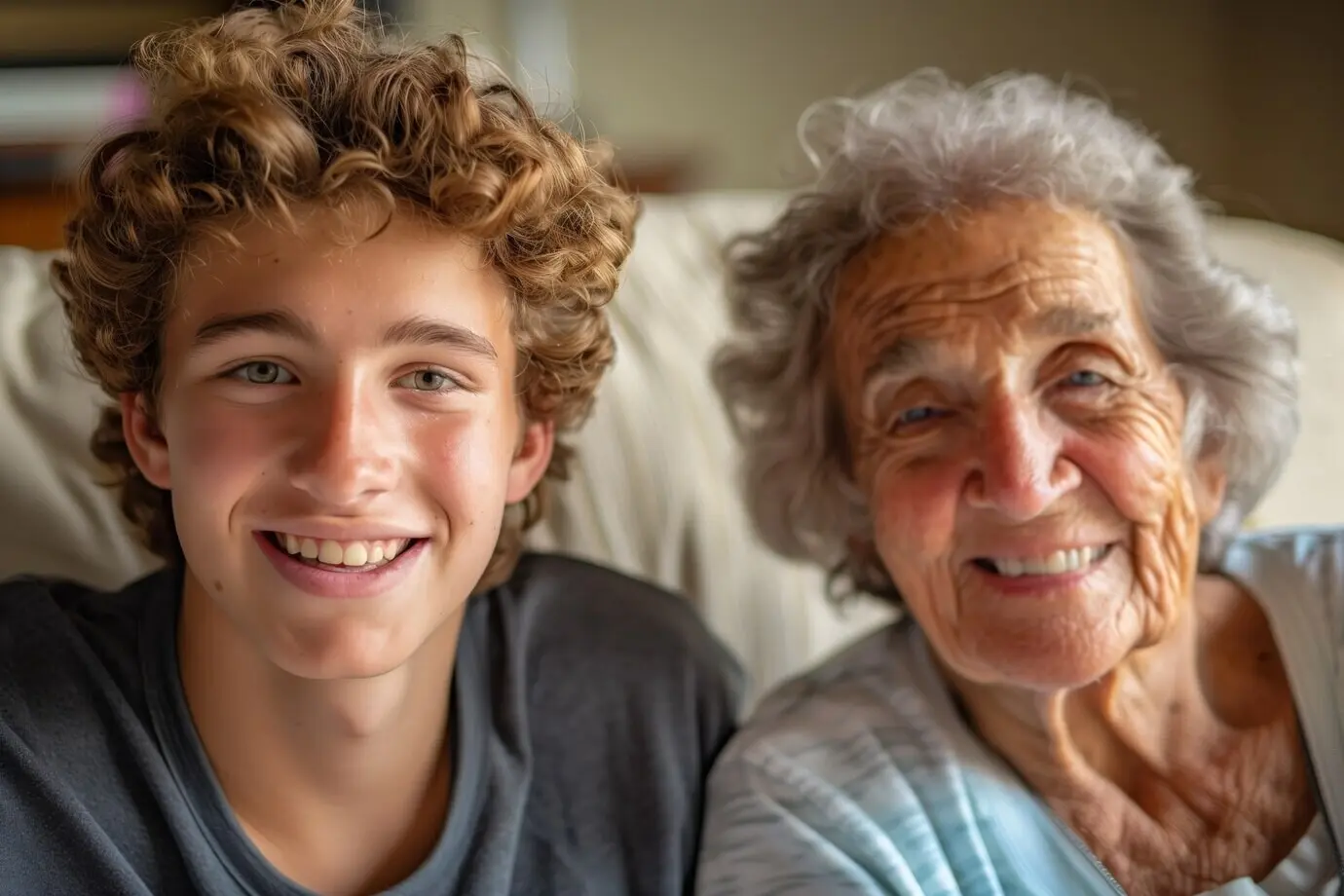
Shared Daily Rituals That Unite Classrooms and Elders

Today we explore partnerships between schools and senior centers that create shared daily rituals, weaving predictable moments of connection into mornings, lunches, and farewells. Discover how simple, repeatable practices reduce anxiety, strengthen belonging, and turn learning into a two-way street where curiosity, wisdom, humor, and care meet to uplift both students and older adults in meaningful, repeatable ways.

The Human Power of Repeated Moments

Rituals are tiny anchors in busy days, helping young people and older adults feel safe, expected, and valued. Neuroscience tells us predictability calms our nervous systems, while stories remind us that greeting the same faces at the same time grows trust. When classrooms and senior centers align moments, the day becomes friendlier, learning deepens, and loneliness loses ground to shared symbols, gestures, songs, and smiles.

Co-Designing the Day With Equal Voices

Listening Circles That Start the Partnership

Gather in a circle with a talking piece that moves hand to hand. Ask what mornings feel like, which moments bring peace, and what would make everyone excited to return. Capture words on large sheets so ideas remain visible. This process normalizes diverse needs, reveals hidden barriers, and opens the door to rituals that reflect authentic desires rather than assumptions or one-size-fits-all templates.

Co‑Writing a Ritual Charter

Draft a short, friendly agreement describing which rituals happen when, who leads them, and how to pause or adapt if someone feels uncomfortable. Include accessibility notes, language preferences, and substitute plans. Display the charter where everyone can see it. A living document builds confidence, reduces misunderstandings, and gives new participants an immediate, respectful orientation to shared practices without overwhelming details or rigid expectations.

Accessibility at the Center

Design rituals that honor bodies and brains as they are. Provide chairs with arms, clear signage, large print, hearing loops, visual timers, and quiet corners. Offer multiple ways to participate: speaking, writing, drawing, or simply observing. Build in rest breaks. By planning for access from the start, you transform rituals from exclusive performances into welcoming practices that celebrate difference and shared human rhythm.

Learning Through Ritual: Literacy, Arts, and Movement

Daily rituals can carry curriculum without feeling like homework. Reading aloud becomes a shared breath; art time turns memory into color; movement links bodies gently across generations. When content goals ride inside familiar routines, confidence grows. Students feel capable. Elders feel useful. Teachers notice engagement lifting. Learning happens because hearts are settled and hands know what to do next, together, every day.

01

Two‑Page Reading Companions

Pair each student with a reading companion who loves stories. Keep a two-page ritual: a quick feelings check, then a page read by the student and a page read by the elder. Rotate genres, keep bookmarks meaningful, and record new words on a shared card. Fluency improves, memory awakens, and laughter often punctuates chapters as voices trade rhythms and confidence grows predictably session after session.

02

Hands That Remember

Invite elders to share a familiar craft—crochet, watercolor washes, seed-starting, or simple wood sanding—inside a weekly art ritual. Students learn patience and process while elders reconnect with muscle memory. The rule is gentle repetition, not perfection. Display evolving pieces beside captions capturing feelings, not grades. Over time, hands discover stories, and stories become curriculum, wrapping skills inside relationships that make learning feel alive.

03

Movement Minutes Across Generations

End sessions with a predictably playful movement minute: seated stretches, fingertip piano, scarf tossing, or a slow, counted walk. Track a communal step total or balance time, celebrating progress with stickers or a tiny bell. Movement eases stiffness, sharpens focus, and creates accessible joy. By keeping the sequence familiar, participants anticipate success, reducing fear while cultivating mindful care for bodies at every age.

Care, Safety, and Dignity Logistics

Thoughtful logistics protect joy. Establish health protocols, background checks, clear supervision, and emergency procedures that are practiced, not just printed. Share contact trees, allergy lists, mobility notes, and medication boundaries. Use consent-forward photography policies. Communicate in advance whenever schedules change. When guardians, families, and program staff see rigorous care woven into daily routines, trust rises, participation grows, and dignified belonging becomes the predictable baseline.

Health Protocols Without Fear

Make hand hygiene part of the opening ritual, taught kindly, never scoldingly. Provide tissues, sanitizer, masks when needed, and clear guidance on staying home. Track allergies, scents, and sensitivities. Normalize asking before physical contact. Offer water breaks. These simple, repeatable protocols protect immune-compromised participants and model community responsibility without dampening the warmth that makes shared routines feel safe, steady, and genuinely welcoming for everyone.

Safeguarding as a Shared Promise

Train staff and volunteers in mandated reporting, boundaries, and respectful language. Keep two-adult supervision visible. Use sign-in systems, visitor badges, and clear room sightlines. Encourage participants to voice concerns and know who will respond. Safeguarding should feel like a confident embrace of everyone’s wellbeing, not a barrier to connection. When protection is predictable, people relax into relationships, allowing rituals to deepen naturally and joyfully.

Transportation and Transitions

Write down the choreography of arrivals and departures: bus timing, ramps, escorts, safe waiting zones, and weather backups. Use visual schedules and friendly checkpoints so no one feels lost. Build buffer time. Transitions are part of the ritual too; when they are calm and consistent, participants conserve energy for the good stuff—reading, singing, crafting, and the small conversations that stitch days into something comforting.

Proving Impact Without Killing Joy

Measurement should feel as humane as the rituals themselves. Trade exhaustive surveys for small, repeatable checks that respect attention spans. Blend stories, simple numbers, and photos captured with consent. Track attendance, late arrivals, smiles, and self-reported calm. Share findings back to participants, not just funders. When evaluation is gentle and transparent, people lean in, improvement accelerates, and pride becomes part of the daily cadence.
After each session, invite a quick, color-coded card response: energy level, sense of belonging, clarity of instructions, enjoyment, and willingness to return. Add one open comment. Keep it anonymous, summarize visibly next time, and propose a tiny adjustment. This responsive loop protects joy while demonstrating that voices matter and that small improvements, made consistently, are the heartbeat of sustainable, human-centered partnership growth.
Collect short quotes and moments: a student mastering a tricky word, an elder laughing at a shared joke, a calm breath after a stressful morning. Tag each story with the ritual used and conditions that helped. Over months, patterns emerge that guide refinement. Stories convert data into meaning, making impact tangible without spreadsheets overwhelming the warmth at the center of daily practice.
Track just a few indicators: attendance consistency, on-time starts, reading fluency snippets, mood ratings, and physical comfort reports. Display progress on a communal chart that celebrates teams, not individuals. Use changes to adjust pacing or accessibility. The goal is visibility, not pressure. When people see rituals reliably working, confidence grows, and stakeholders understand why these small, repeatable moments deserve steady investment.

Start Small, Grow Wisely

A four-week pilot can seed a lasting partnership. Choose two anchor rituals, secure transportation, and schedule consistent times. Train facilitators, prepare materials, and invite feedback after each session. Celebrate tiny wins publicly. Ask for donations of time, stories, and warm smiles. Encourage families and neighbors to visit. Sustainable growth follows when beginnings are intentionally modest, deeply reflective, and proudly shared with the wider community.

Week‑by‑Week Pilot Plan

Week one: introductions, accessibility setup, and a two-step welcome ritual. Week two: reading companion pairs and a calm closing stretch. Week three: add a small art practice and story sharing. Week four: reflection circle, photo wall with consent, and a next-steps meeting. Keep everything consistent, document clearly, and adjust gently, proving the model in real time without overcomplicating administration or straining limited energy.

Resource Kit You Can Copy

Prepare printable name cards, large-type cue cards, visual schedules, consent forms, a short ritual charter template, and facilitation scripts that fit inside a small binder. Include substitute plans, hygiene reminders, and an adaptations checklist. Share the kit openly with peers. When resources are easy to copy, partnerships multiply faster, and quality stays high even as new teams onboard and learn the shared cadence together.

Make It Yours, Then Tell Us

Invite readers to comment with their best morning greetings, seated stretches, and reading rotations. Ask for photos of welcome tables, bell choices, and bookmark designs, posted with consent and kindness. Encourage subscriptions for monthly ritual ideas, case studies, and grants. When communities trade practical details, momentum spreads, and the circle of shared daily rituals widens, becoming sturdier, kinder, and wonderfully local in every detail.
Loravestonia
Privacy Overview

This website uses cookies so that we can provide you with the best user experience possible. Cookie information is stored in your browser and performs functions such as recognising you when you return to our website and helping our team to understand which sections of the website you find most interesting and useful.