
Bridging Generations Through Service and Heart
Today we explore community service traditions that unite grandparents and teens, celebrating practical projects, small rituals, and big-hearted stories that bring different ages shoulder to shoulder. Expect hands-on ideas, real voices, and encouraging guidance that make volunteering feel welcoming, sustainable, and joyful. Join us in discovering how shared purpose transforms errands into memories, chores into laughter, and local needs into opportunities for friendship, pride, and belonging across generations.
A Garden Reborn After a Long Winter
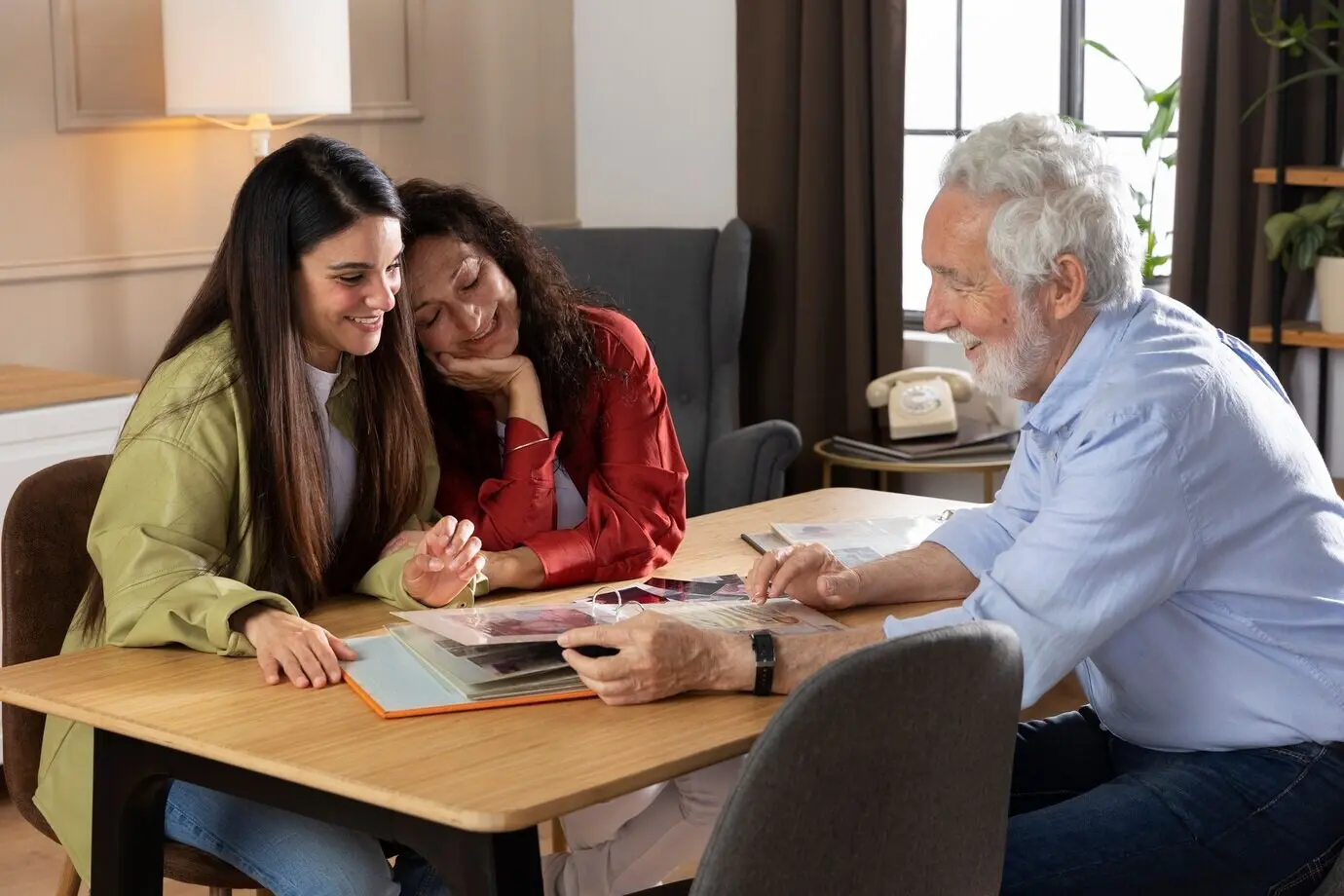
Rosa, seventy-two, had seeds sorted by color and memory; Malik, fifteen, brought a playlist and energy to spare. They revived an overlooked garden bed behind the library, asking elders about heirloom varieties and inviting classmates to shovel. The soil turned softer with every conversation. Soon tomatoes climbed twine, benches welcomed afternoon chess, and passersby paused to water. Their weekly ritual grew harvest boxes for shut-ins, proving that patience and playlists together can quietly transform a neglected corner into a neighborhood heartbeat.

Listening as Leadership
A teen with a notepad and a grandparent with a lifetime of stories can lead without a podium. At the senior center, pairs recorded local oral histories, turning tea-time memories into preserved community knowledge. Teens practiced open-ended questions; elders taught the art of a thoughtful pause. The published booklet funded more visits, encouraging deeper empathy. Leadership arrived not as authority but as attention, demonstrating that caring enough to listen can steady a group, inspire action, and gently redirect future plans.
Skills Exchange Across Ages

Tech Mentoring, But Make It Mutual
Teens hosted a phone clinic for elders, setting up accessibility features, scam alerts, and photo backups. In return, grandparents taught practical budgeting with envelopes and a grocery price book. Together they created a neighborhood alert thread for storm checks and medication reminders. The unexpected benefit: shared accountability. Teens promised to follow through on reminders; elders practiced new apps by sending Tuesday thank-you notes. The clinic closed with a mini lesson on online kindness, bridging digital confidence and everyday courtesy.
Hands That Remember, Hands That Learn
Repair days paired careful hands trained by decades with eager learners ready to try. A grandfather showed how to rewire a lamp safely; a teen explained where to find parts cheaply and ethically. Someone mended a coat using visible mending techniques, turning a tear into a story stitched in color. Little by little, broken things became functional again, saving money and reducing waste. The pride of fixing something together turned into a monthly ritual, inviting neighbors to bring new challenges.
Respect, Safety, and Gentle Boundaries
Clear expectations make collaboration feel safe and warm. Groups posted simple guidelines: lift with help, ask before sharing photos, pause for breaks, and honor privacy around personal stories. Teens learned to spot fatigue and offer water; grandparents learned to let experimentation breathe. With boundaries set, creativity expanded. No one felt rushed or dismissed, and everyone could focus on service without anxiety. That mutual care became contagious, shaping how new volunteers entered, learned, and remained committed throughout busier seasons.
Projects You Can Start This Month
{{SECTION_SUBTITLE}}
Intergenerational Repair Café
Host a pop-up repair table in a church hall, library lobby, or park pavilion. Grandparents bring toolkits and patient instruction; teens handle sign-ins, safety reminders, and social media invitations. Fix lamps, toys, zippers, and small appliances while telling their stories. Create a wall map of items saved from landfills to track environmental impact. Send each guest home with a simple care card. Encourage photo updates a month later to celebrate durability, gratitude, and newfound confidence in maintaining cherished objects.
Story-to-Song Workshop
Pair elders’ memories with teens’ music production skills. Record a short interview, then turn a favorite anecdote into a lyric, melody, or spoken-word track. Use free software and phone microphones. Invite a choir-loving grandparent to teach harmonies, and a teenager to mix levels. Premiere the songs at a neighborhood potluck. Gifts of USB drives allow families to keep the tracks. The workshop teaches respectful editing, honors lived history, and leaves behind soundtracks that strengthen identity across households.
Planning, Roles, and Smooth Coordination
Good intentions flourish with clear structure. A short agenda, a sign-up sheet, and rotating roles keep everyone engaged without burnout. Co-leads from different generations model collaboration, while transparent budgets and safety checklists prevent confusion. A shared calendar, modest supply bins, and phone-tree backups handle surprises. When every person can see where help is needed and how to step in, projects stop depending on heroes and start relying on habits, which is how communities steadily meet real needs with grace.
Co-Leadership That Invites Everyone In
Alternate facilitators between a grandparent and a teen each month. The elder brings continuity and context; the teen brings fresh outreach and new tools. Begin meetings with appreciations, assign timekeepers, and leave spotlight moments for new volunteers. Decisions land via quick consensus, reserving bigger choices for a friendly poll. That rhythm builds trust and keeps participation lively. When people witness shared responsibility, they believe their contribution matters, and they bring friends who are eager to help and learn.
Simple Tools, Big Difference
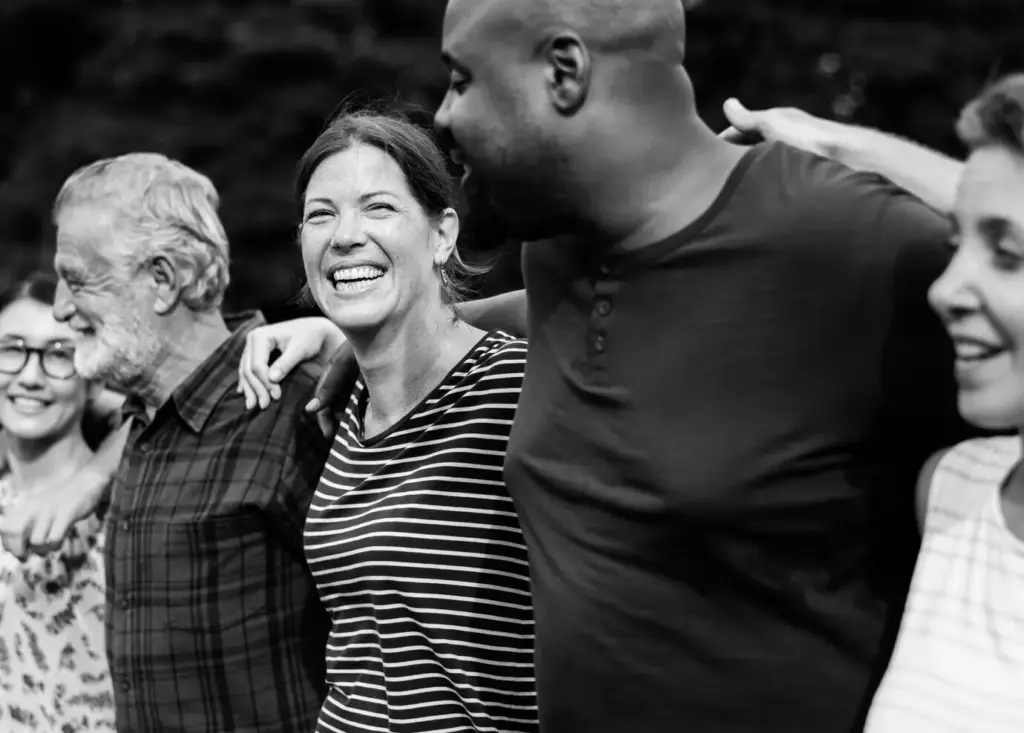
Use what you already have: a shared cloud folder for checklists, a group chat for last-minute updates, and a printed binder for those who prefer paper. A laminated setup map prevents confusion when venues change. Teens can post short tutorial clips; grandparents can contribute annotated photos. Keep everything labeled and clutter-free. By making organization visible and kind, you reduce stress, welcome latecomers gracefully, and leave behind a playbook that survives vacations, exams, and unexpected health challenges without losing momentum.
Memory Metrics That Matter
Count what you can see—bags of produce sorted, devices updated, quilts finished—but also gather reflections about confidence, belonging, and intergenerational friendship. Short interviews at cleanup time reveal changes that numbers miss. Did someone feel brave enough to try a new tool? Did a teen call a grandparent to ask for advice? These stories become guideposts. Over time, memory metrics show whether projects deepen relationships, which is the true engine of reliable service and long-term neighborhood wellbeing.
Showcase Evenings and Pop-Up Exhibits
Transform a hallway into a timeline of efforts: before-and-after photos, repair tags, printed recipes, and QR codes linking to recorded songs. Invite neighbors to wander, taste, listen, and leave notes of gratitude. Give tiny awards for kindness, persistence, and creative problem-solving. Teen emcees introduce elders; elders cheer on teens. The event strengthens visibility, attracts new volunteers, and reminds everyone that small acts accumulate into meaningful change. Joy shared publicly becomes permission for others to join and contribute.
Passing the Torch Without Losing the Flame
Mentorship keeps continuity alive. Pair a teen coordinator with a grandparent scheduler so each role has a shadow ready to step in. When someone graduates, moves, or needs rest, responsibilities transfer smoothly. Celebrate transitions with a keepsake—perhaps a tool engraved with a simple message or a recipe card signed by many hands. This practice honors the past, equips the present, and inspires the next wave to steward the work with care, humility, and a sense of shared ownership.
Inclusion, Accessibility, and Cultural Respect
A welcoming service culture plans for different bodies, languages, and traditions from the start. Choose locations with ramps and seating, encourage frequent breaks, and offer tasks for various energy levels. Translate key materials and invite community leaders to advise respectfully. Food and music reflect multiple cultures. Stories are sourced with consent. Humor is kind, not sharp. When dignity is protected in the details, people show up as their whole selves, and collaboration deepens into mutual trust that lasts.
Keep the Circle Growing: Invite, Share, Subscribe
Start Small, Share Loudly
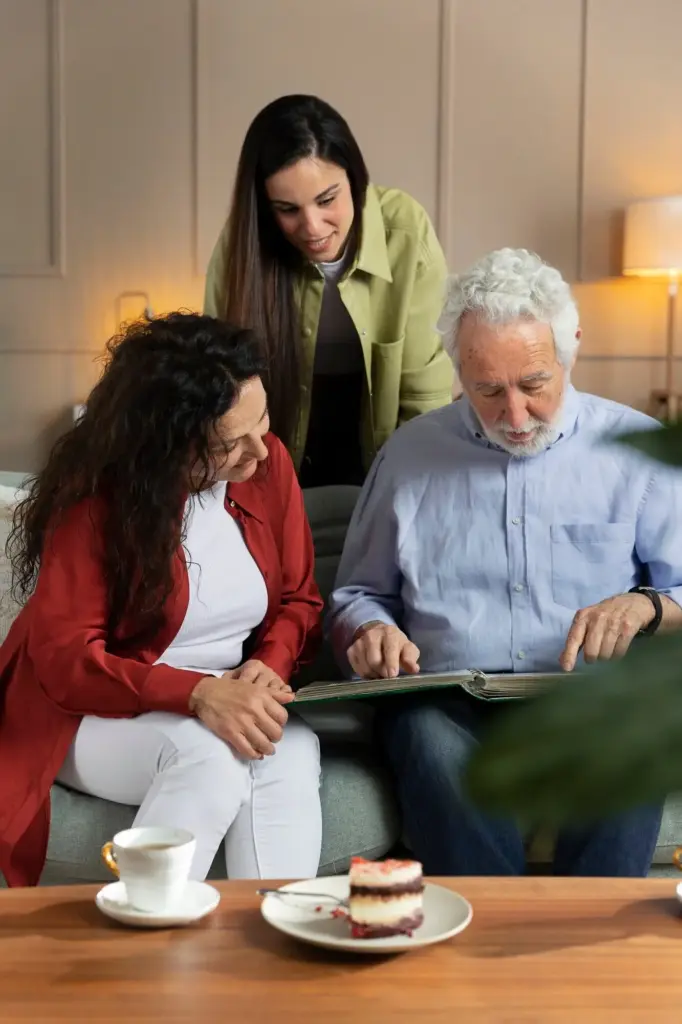
Choose one doable action this week and document the journey honestly: what worked, what surprised you, and what you learned. Post photos with alt text and names only with permission. Tag local partners and invite three friends to observe next time. The point is not perfection, but momentum and visibility. Small wins told well inspire courage, and courage attracts the next set of generous hands ready to help your neighborhood glow brighter.
A Digital Hub for Ongoing Connection
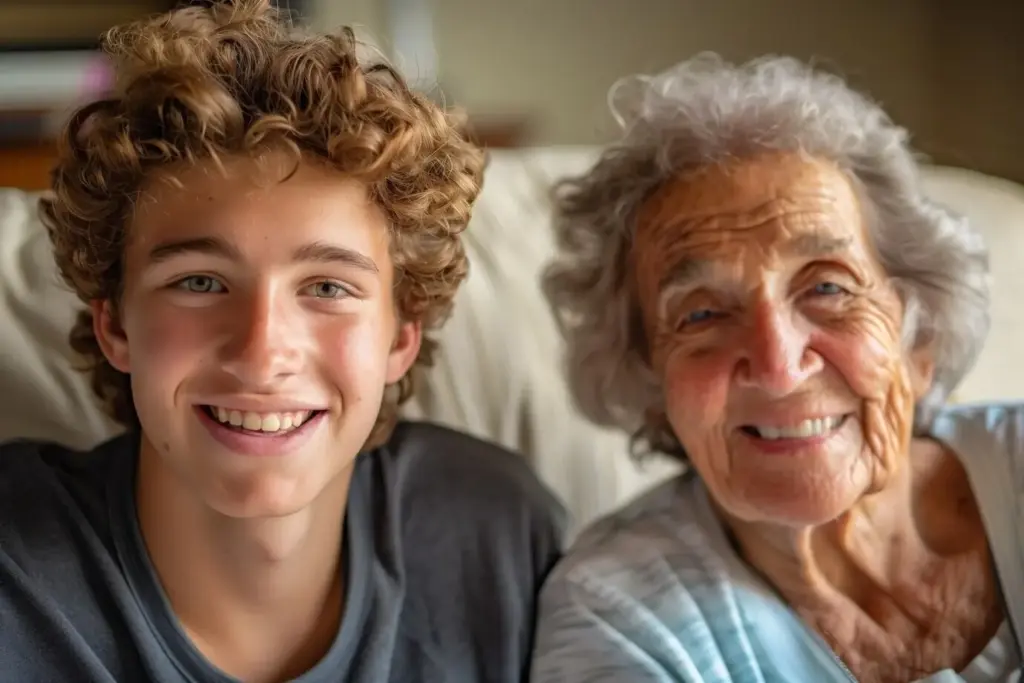
Create a simple online home featuring the calendar, volunteer roles, safety notes, playlists, and recipes. Add a sign-up form and a quick-start guide for newcomers. Include a space for gratitude shout-outs and repair success stories. Teens can manage updates; grandparents can contribute photos and historical context. Keep privacy central and moderation kind. This hub becomes the group’s memory and invitation, sustaining participation even when schedules shift, seasons change, and projects evolve into new possibilities.

Feedback Loops That Keep Hearts Open
End every month with a five-minute pulse check: What energized you? What felt heavy? What should we try differently? Collect answers anonymously and respond publicly with small adjustments. Celebrate suggestions that improve accessibility, safety, or joy. When volunteers see their voices shaping the path, they invest deeper, invite peers, and protect the culture of care. Feedback becomes the gentle engine that keeps the work meaningful, balanced, and welcoming for both grandparents and teens.
All Rights Reserved.